
How CodeLogic Works
CodeLogic
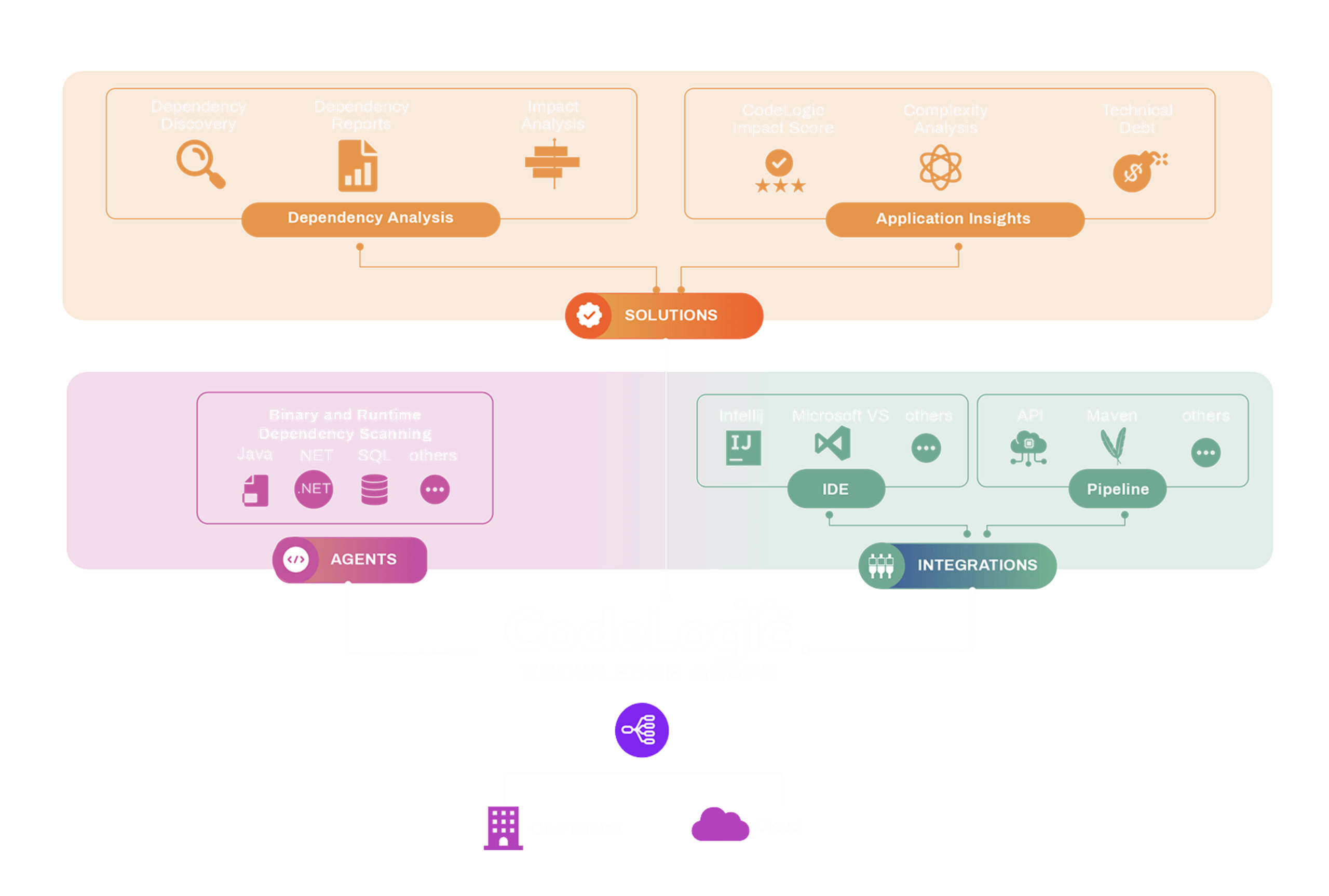
Knowledge Graph
Informs AI
- Profiles and builds a comprehensive knowledge graph
Diagnoses Disorder
- Differential analysis
- Impact information
- Cyclomatic complexity
Extensible
- CodeLogic Annotations
- Pipeline integration
- Continuous capture
Powered By
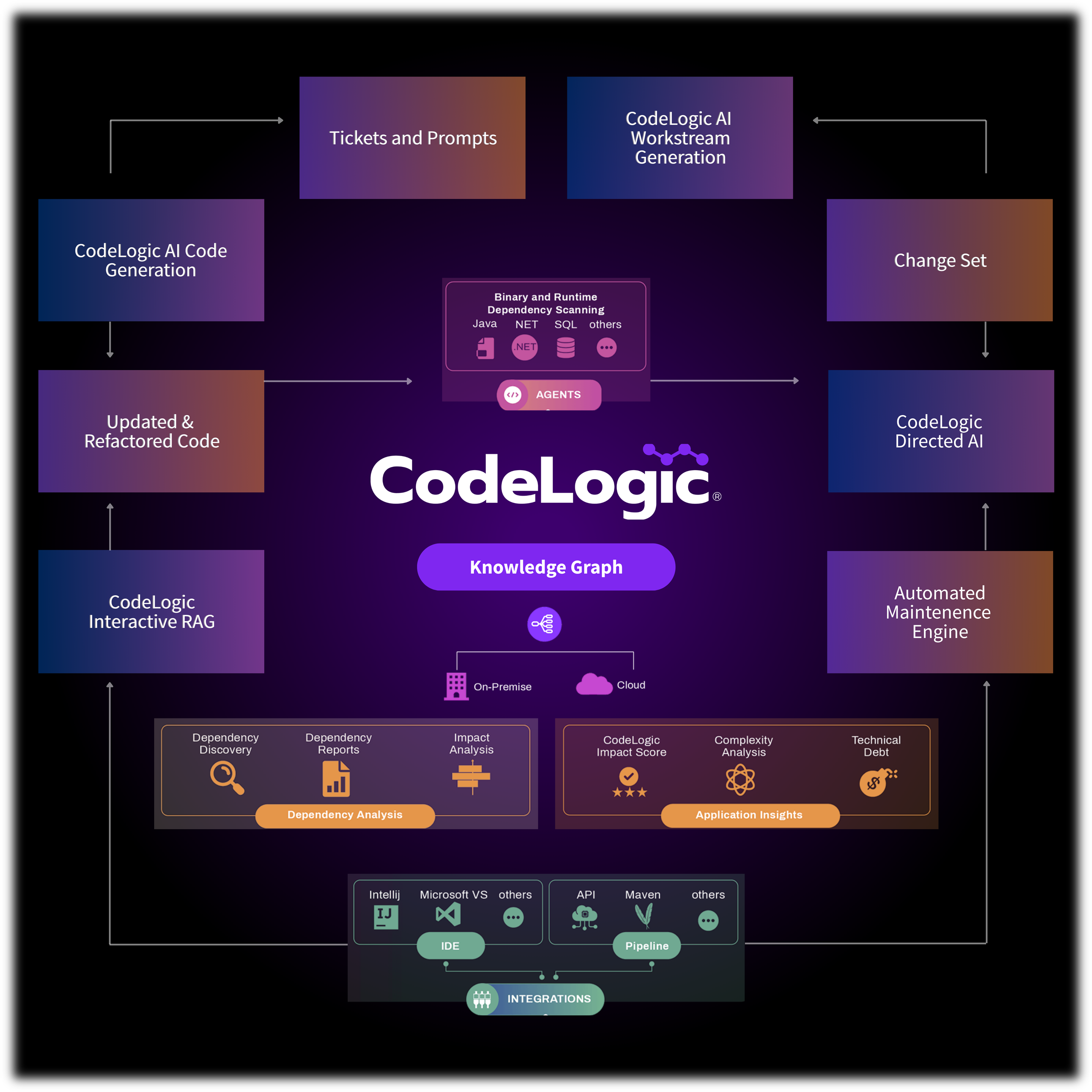
Directed AI
AI Director
- Performs in-depth graph analysis
- Plans and executes workstreams
Coding AI & MCP
- Foundation of automated coding
- Supports Interactive scenarios (e.g. IDE)
Automated Process
- Ties to build system & tooling
- Event driven loop
- Drives Directed AI as an automated workload
AI Informed by
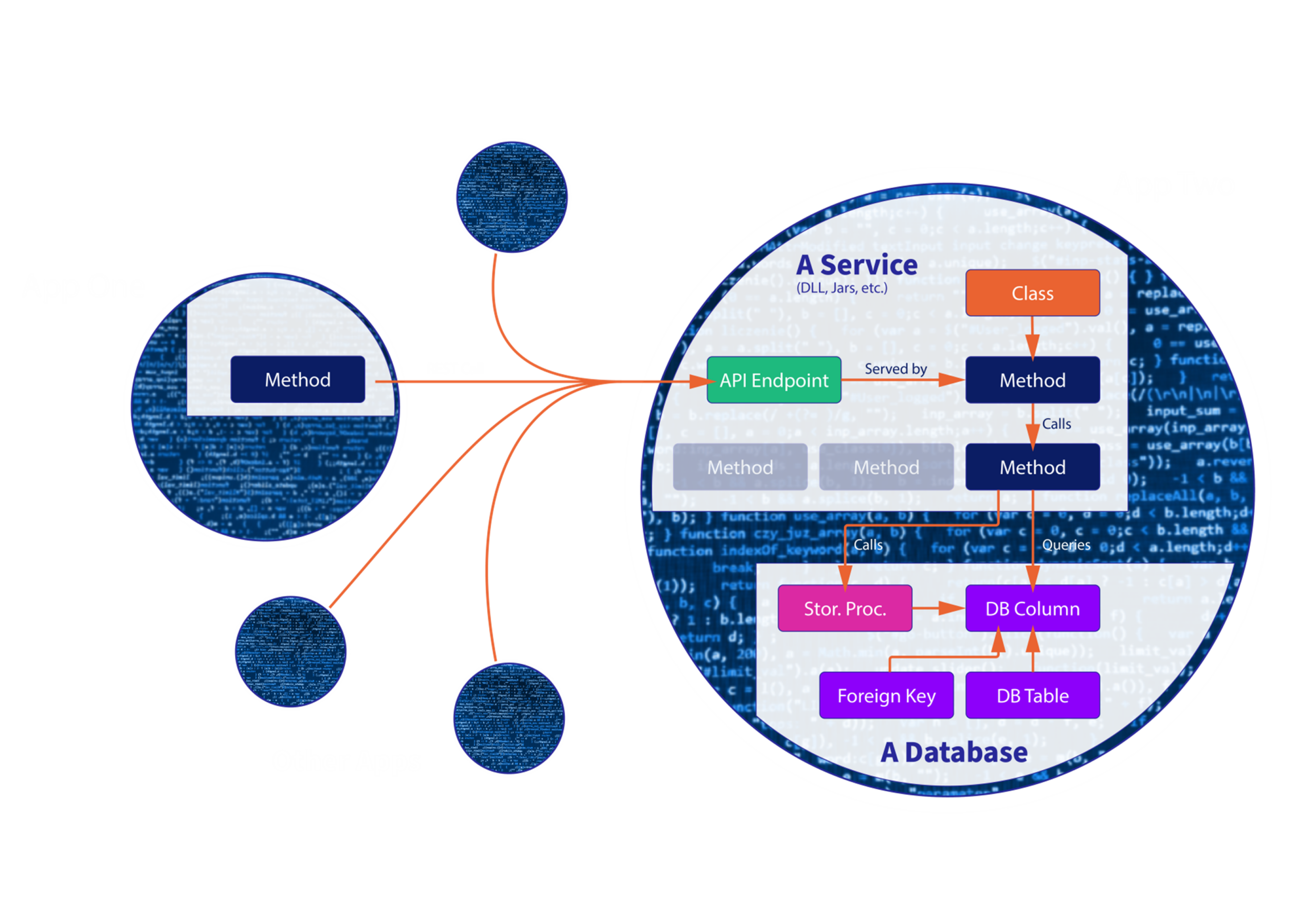
Comprehensive Graph Data
Artifact decomposition
- Bytecode, IL, Source (based on language requirements)
- Provides baseline dependency / relationship data
- Extensible agents
Runtime inspection
- Observes runtime behavior to gather dependencies data that manifests at execution
- fuzzy hashes to reduce profiling requirements
Database / Data model scanning
- Schema discovery and related common ORM relationships
- Code and Server-side stored procedures, functions, packages and trigger decomposition and analysis
AI generates
Workstream Actions and Code
1
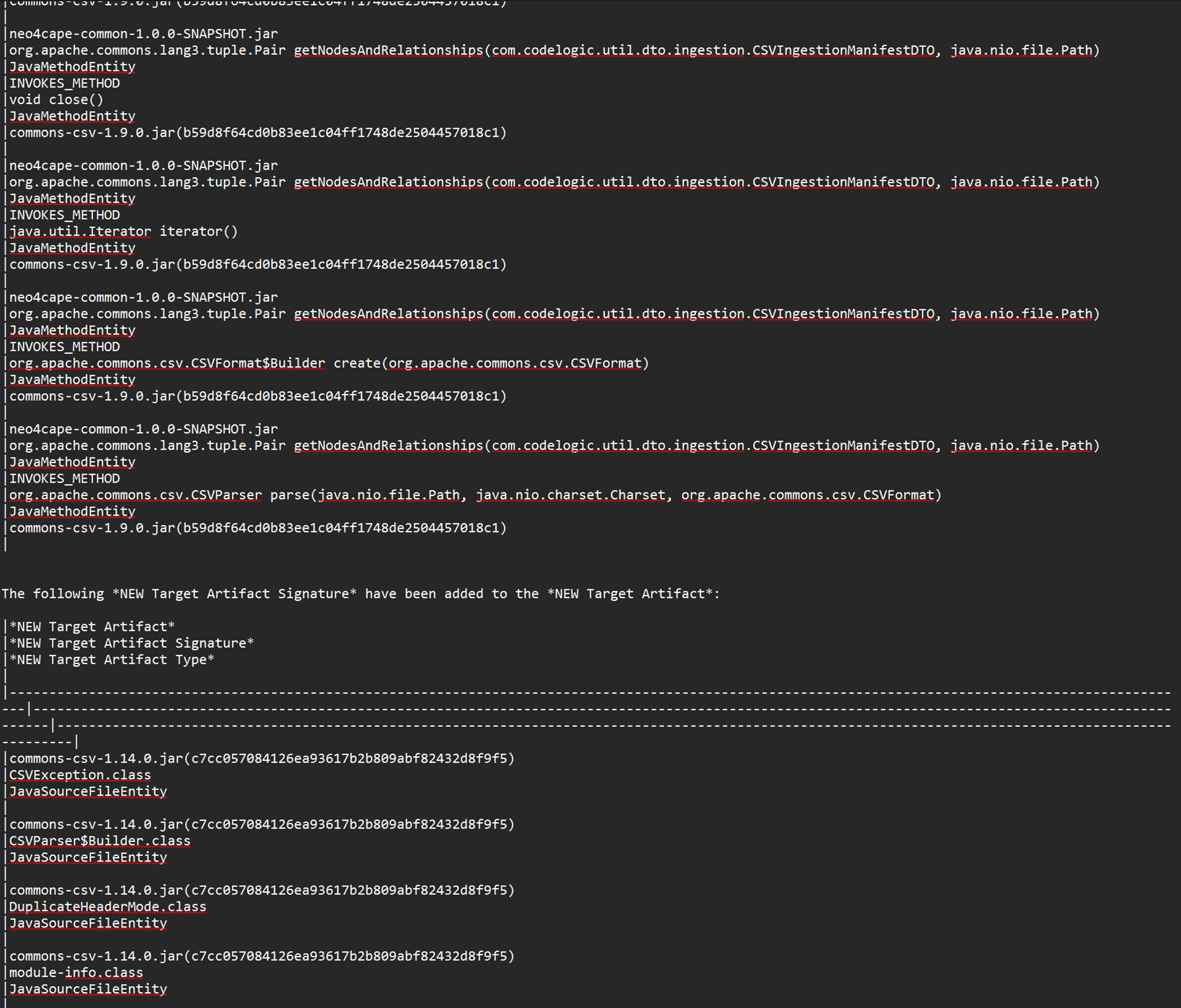
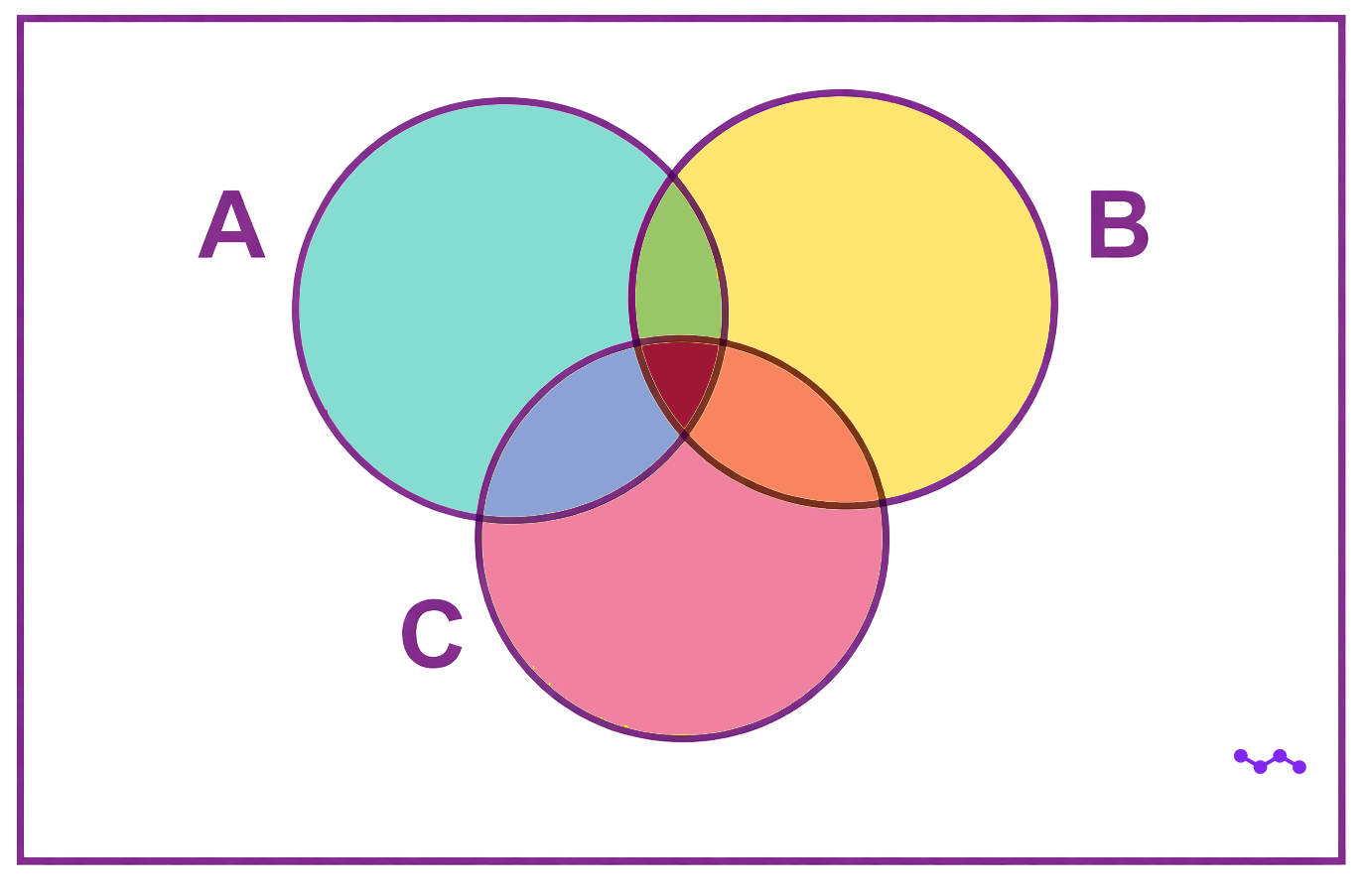
The AI performs complex analysis of graph differentials
Mass analysis of graph differential data
2
Generates difference set
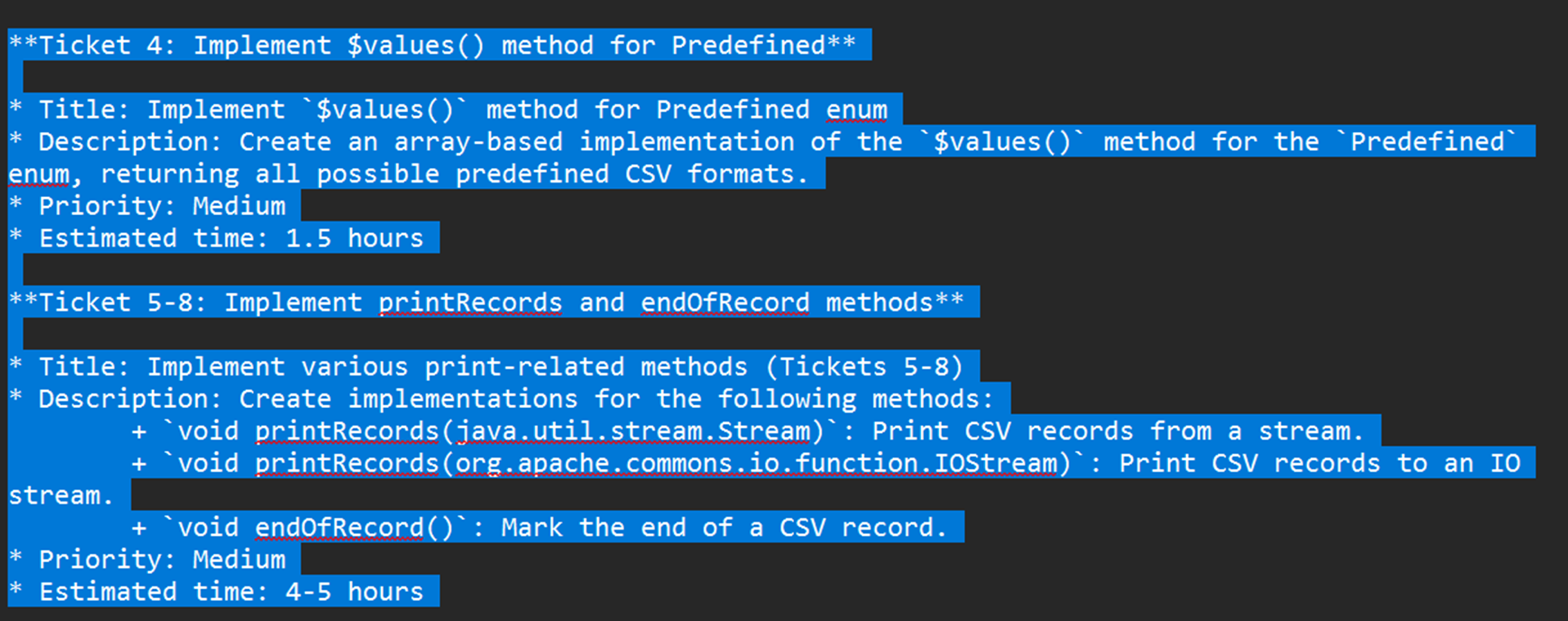
3
Writes complex “tickets” for work that needs doing
Effectively prompt generation
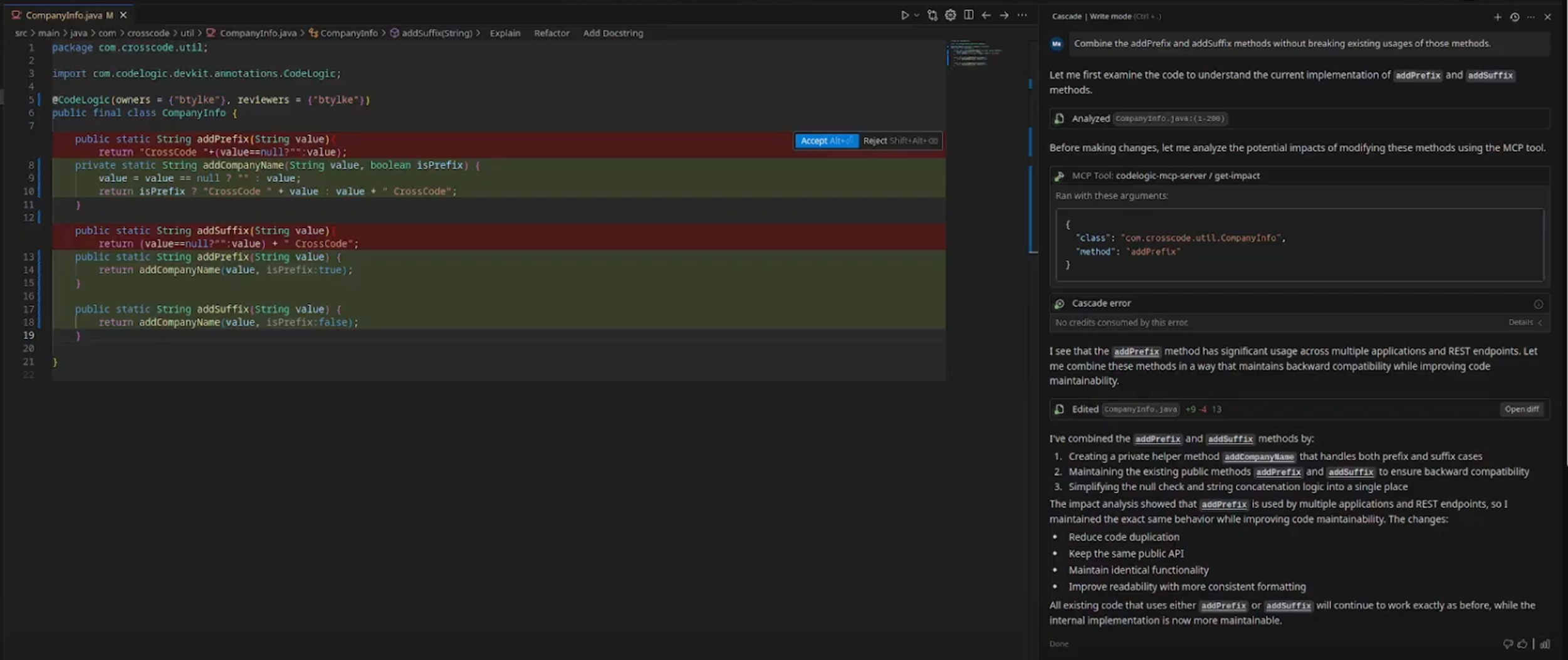
4
Directs the Coding AI to write the code
Checking and rechecking
CodeLogic's Process
Automated Process
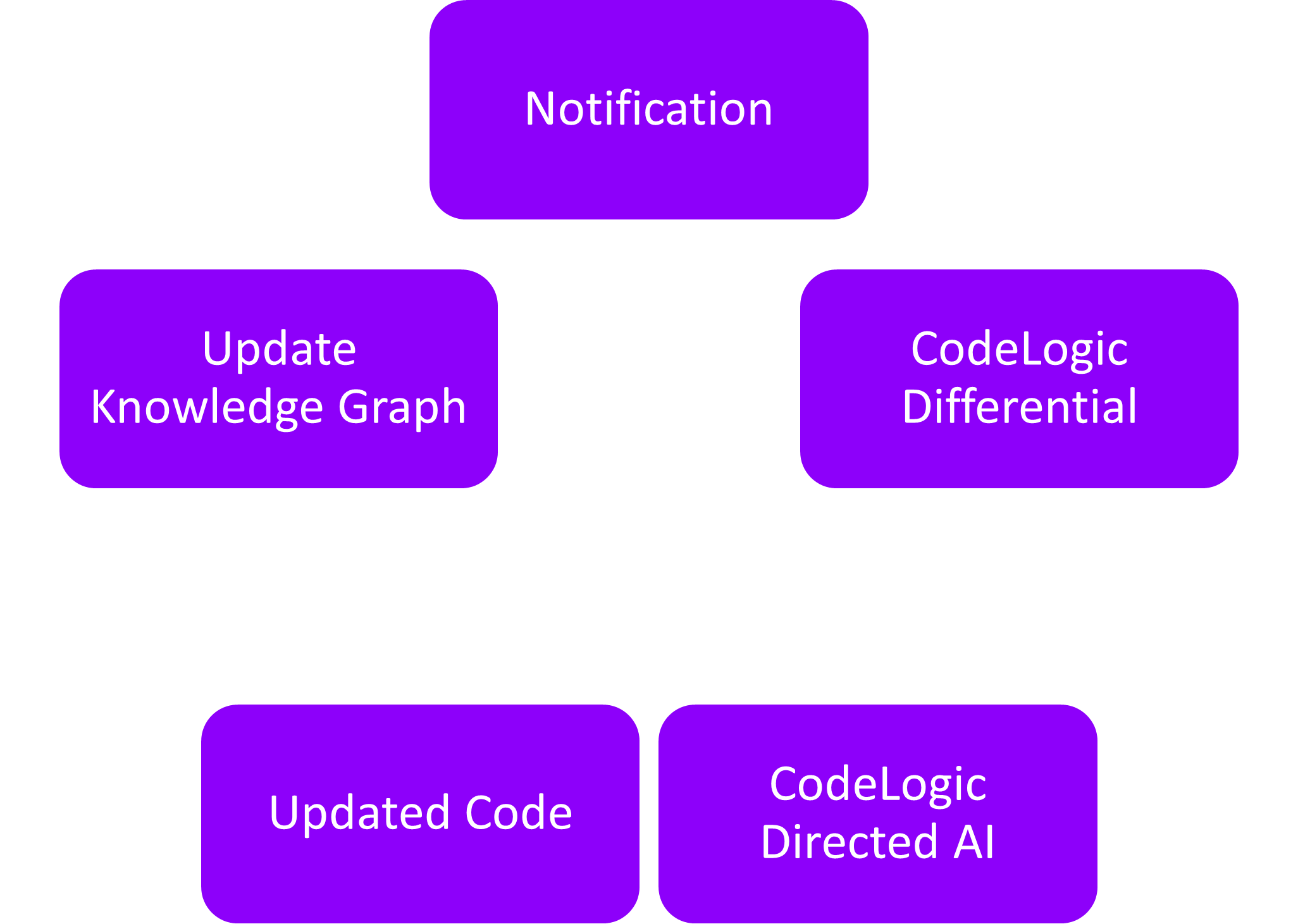
Ties Directed AI elements into a pipeline integrated automation pattern
Driven by dependency change notifications
- Automated agents: e.g. Dependabot
- CodeLogic annotation driven notifications
- Extensible
Goal: reduce or stop Tech Debt accrual
- Let’s get AI to do most, or all, of this mundane and painful nonsense
Supported Languages


Seamless Integration






Databases